
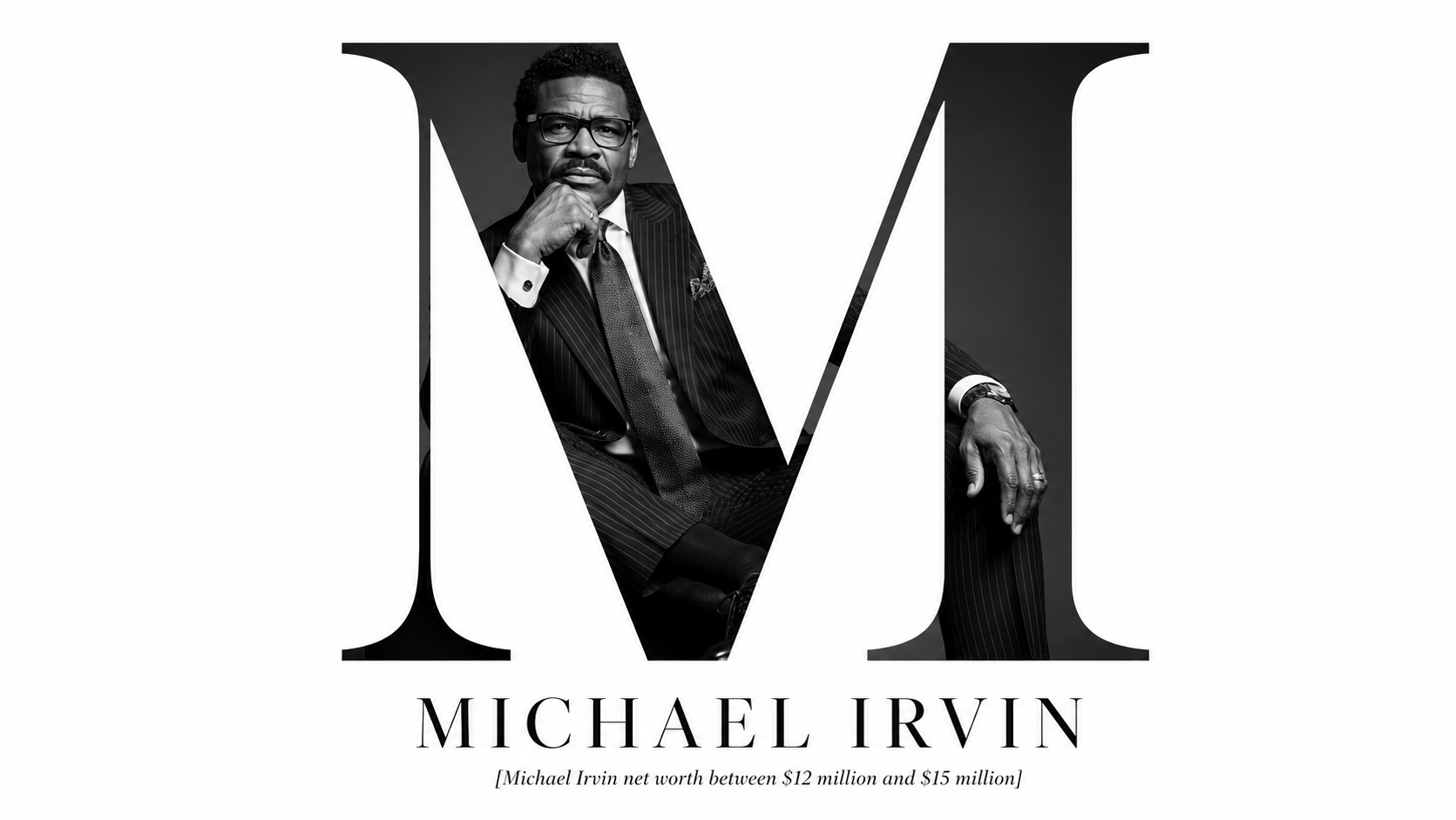
For many football fans, Michael Irvin represents more than just a Hall of Fame wide receiver. He symbolises one of the most successful eras in Dallas Cowboys history and remains one of the most recognisable personalities in American sports media. Decades after his retirement from professional football, people continue to search for Michael Irvin net worth because his career has extended well beyond the playing field.
Most reliable public estimates place Michael Irvin net worth between $12 million and $15 million. While different financial publications report slightly different figures, they all agree that his wealth comes from several decades of success in professional football, television broadcasting, endorsements, acting, and public appearances.
Unlike many former athletes whose income declined after retirement, Irvin successfully transformed his football fame into a long-lasting media career, allowing him to remain financially successful long after his final NFL game.
Quick Bio: Michael Irvin
| Full Name | Michael Jerome Irvin |
|---|---|
| Known As | Michael Irvin |
| Date of Birth | March 5, 1966 |
| Age | 60 (as of 2026) |
| Birthplace | Fort Lauderdale, Florida, USA |
| Nationality | American |
| Height | 6 ft 2 in (1.88 m) |
| Profession | Former NFL Player, Sports Analyst, Actor |
| NFL Team | Dallas Cowboys (1988–1999) |
| Position | Wide Receiver |
| Estimated Net Worth | $12–15 million |
| Marital Status | Married to Sandy Harrell |
| Children | Four |
From Humble Beginnings to Football Stardom
Michael Jerome Irvin was born on March 5, 1966, in Fort Lauderdale, Florida. Raised in a large family, he discovered football at an early age and quickly became known for his athletic ability and competitive nature.
His talent earned him a scholarship to the University of Miami, where he played under legendary coach Jimmy Johnson. During the late 1980s, Miami established itself as one of the nation’s dominant college football programs, and Irvin became one of its biggest stars.
His outstanding performances attracted NFL scouts, and in the 1988 NFL Draft, the Dallas Cowboys selected him with the 11th overall pick. That decision would change both his career and the future of the Cowboys franchise.

Building Wealth Through an Elite NFL Career
Michael Irvin’s financial journey began with his NFL contracts, but his true value came from becoming one of football’s biggest stars during the league’s rapid commercial growth.
As a wide receiver, Irvin helped redefine the passing game during the 1990s. Alongside quarterback Troy Aikman and running back Emmitt Smith, he formed one of the NFL’s most famous offensive trios.
The Cowboys won three Super Bowl championships during Irvin’s career, and his reputation as a clutch performer made him one of the league’s highest-profile players.
His most significant contract came in 1995, when he signed a five-year, $15 million extension, making him one of the highest-paid wide receivers in football at the time. Although those numbers seem modest compared with today’s NFL salaries, they were considered groundbreaking during the mid-1990s.
Over his 12-year professional career, Irvin earned millions in player salaries, performance bonuses, and playoff incentives. These earnings formed the financial foundation that continues to support his overall net worth today.
Career Statistics That Increased His Market Value
Michael Irvin’s reputation wasn’t built solely on championships. His individual production placed him among the NFL’s elite receivers.
During his career, he recorded:
- 750 receptions
- 11,904 receiving yards
- 65 receiving touchdowns
- Three Super Bowl victories
- Five Pro Bowl selections
- First-Team All-Pro honors
- Induction into the Pro Football Hall of Fame in 2007
These accomplishments significantly increased his commercial appeal. Successful athletes often earn their greatest financial opportunities because of their reputation, and Irvin was no exception.
Winning championships gave him credibility, while his outspoken personality made him especially attractive to television networks and advertisers.
A Smooth Transition Into Television
Many former athletes struggle to find a second career after retirement. Michael Irvin experienced a different path.
His confidence, communication skills, and deep understanding of football made him a natural fit for sports broadcasting. Shortly after retiring, he joined ESPN, where he became a familiar face on several NFL programs.
Later, he moved to the NFL Network, appearing regularly on popular shows that analyse games, players, and league news.
Broadcasting proved to be one of the smartest financial decisions of his career. Television contracts provided a reliable income stream while keeping him highly visible to sports fans.
Unlike professional athletes whose earnings often end with retirement, sports analysts can continue working for many years. Irvin’s media career has therefore become one of the biggest contributors to his long-term financial stability.
Endorsements and Commercial Opportunities
Michael Irvin’s charismatic personality has also opened doors beyond football and television.
Throughout his career, he has appeared in national advertising campaigns, corporate promotions, speaking engagements, and sports marketing events. Brands value former champions who remain recognizable years after retirement, and Irvin continues to benefit from that reputation.
His income from endorsements may not receive the same attention as his NFL salary, but these partnerships have provided additional revenue over many years. When combined with paid appearances, autograph signings, and motivational speaking events, they represent another important component of his overall financial portfolio.
Expanding Beyond Sports
Irvin has also explored opportunities in entertainment. Over the years, he has appeared in television shows, films, documentaries, and reality programs, introducing himself to audiences beyond football fans.
While acting has never been his primary profession, these projects have added another layer to his career and contributed incremental income. More importantly, they helped maintain his public profile, creating additional opportunities in broadcasting and commercial partnerships.
Financial Growth Beyond the NFL
Michael Irvin’s wealth has grown steadily because he built a career that extends far beyond professional football. While his playing contracts created the foundation of his finances, his post-retirement decisions helped preserve and expand that success.
Rather than stepping away from the spotlight, Irvin remained closely connected to the NFL through television, public speaking, and media appearances. These opportunities provided recurring income while reinforcing his personal brand. As a result, his estimated net worth has remained relatively stable over the years despite the end of his playing career.
His financial journey also reflects the importance of timing. Irvin played during an era when NFL salaries were rising but had not yet reached today’s record-breaking levels. Had he played in the modern league, his career earnings from football alone would likely have been significantly higher.
Real Estate and Lifestyle
Like many successful former athletes, Michael Irvin has invested in real estate and has owned luxury homes over the years. Although he occasionally shares glimpses of his lifestyle in interviews and on television, he generally keeps details of his personal assets private.
Irvin has long been known for enjoying luxury cars, stylish clothing, and high-end living. However, he is equally recognized for his energetic personality and strong presence at charity events, football functions, and business gatherings.
Unlike celebrities who frequently showcase extravagant purchases on social media, Irvin’s public image is more closely tied to his work as a football analyst and motivational speaker than to displaying his wealth.
Challenges and Career Resilience
Michael Irvin’s career has not been without challenges. Throughout the years, he has dealt with injuries, legal matters, and public controversies that occasionally affected his professional opportunities.
Despite those setbacks, he has repeatedly rebuilt his reputation through his work ethic and continued involvement in football. His ability to remain relevant in sports media demonstrates the strength of his personal brand.
For many retired athletes, maintaining long-term earning power can be difficult. Irvin’s experience shows how developing communication skills and staying active within the industry can create opportunities long after an athletic career ends.

Why Michael Irvin Remains Financially Successful
Several factors explain why Michael Irvin continues to maintain a healthy net worth decades after retiring from the NFL.
First, he maximized his value during one of the Dallas Cowboys’ most successful periods, becoming one of football’s biggest stars. That reputation created opportunities that extended well beyond his playing days.
Second, his move into broadcasting proved to be an excellent career decision. Television work provided a stable source of income while introducing him to new audiences.
Finally, Irvin understood the importance of building a recognisable personal brand. His confidence, charisma, and willingness to remain engaged with football have helped him stay relevant in an industry where many former athletes quickly fade from public attention.
Estimated Sources of Michael Irvin’s Wealth
| Income Source | Contribution to Wealth |
|---|---|
| NFL Career Earnings | The primary foundation of his fortune |
| Sports Broadcasting | Long-term and consistent income |
| Endorsements | Brand partnerships and promotions |
| Public Speaking | Corporate events and appearances |
| Acting & Television | Additional entertainment income |
| Autograph Signings & Events | Ongoing revenue after retirement |
Legacy Beyond Money
Although people frequently search for Michael Irvin net worth, his influence extends far beyond financial success.
He remains one of the greatest wide receivers in NFL history and played a pivotal role in one of the league’s most celebrated dynasties. His induction into the Pro Football Hall of Fame confirmed his place among football’s all-time greats, while his broadcasting career introduced his passion and personality to a new generation of fans.
Today, Irvin remains one of the sport’s most recognisable voices. His career illustrates how athletes can successfully transition into media, using their experience and reputation to build lasting careers after retirement.
Conclusion
Michael Irvin’s estimated net worth of $12–15 million reflects much more than the money he earned as an NFL player. It represents decades of professional success, smart career transitions, and the ability to remain relevant in one of America’s most competitive industries.
From winning three Super Bowls with the Dallas Cowboys to becoming a respected television analyst, Irvin has consistently turned his football legacy into long-term financial success. His story serves as a reminder that lasting wealth is often built not only through talent but also through adaptability, strong personal branding, and the willingness to embrace new opportunities.
Whether fans remember him as “The Playmaker” on the field or as an energetic analyst in the studio, Michael Irvin’s impact on football—and his financial journey—continues to attract attention years after his retirement.
FAQs
What is Michael Irvin net worth?
Most credible public estimates place Michael Irvin’s net worth between $12 million and $15 million.
How did Michael Irvin make his money?
He earned his wealth through NFL contracts, television broadcasting, endorsements, acting, public speaking, and sports-related appearances.
Which NFL team did Michael Irvin play for?
Michael Irvin spent his entire 12-year NFL career with the Dallas Cowboys.
Is Michael Irvin in the Pro Football Hall of Fame?
Yes. He was inducted into the Pro Football Hall of Fame in 2007 in recognition of his outstanding football career.
Who is Michael Irvin’s wife?
Michael Irvin has been married to Sandy Harrell since 1990, and they have four children.
What does Michael Irvin do now?
He continues to work as a football analyst, television personality, motivational speaker, and public figure while remaining active in sports media.
Also, Read: Forest Whitaker Net Worth
